Practical Wisdom for Building a Healthy Family
Practical Wisdom for Building a Healthy Family
I believe the family is a foundational unit of a nation. Over the past 60 years, I have seen the family unit decline in Canada and the United States as the traditional model of mother, father, and children has weakened. Spiritually, the family also reflects the heavenly relationship of the Father, the Son, and the Holy Spirit.
Practical Lessons

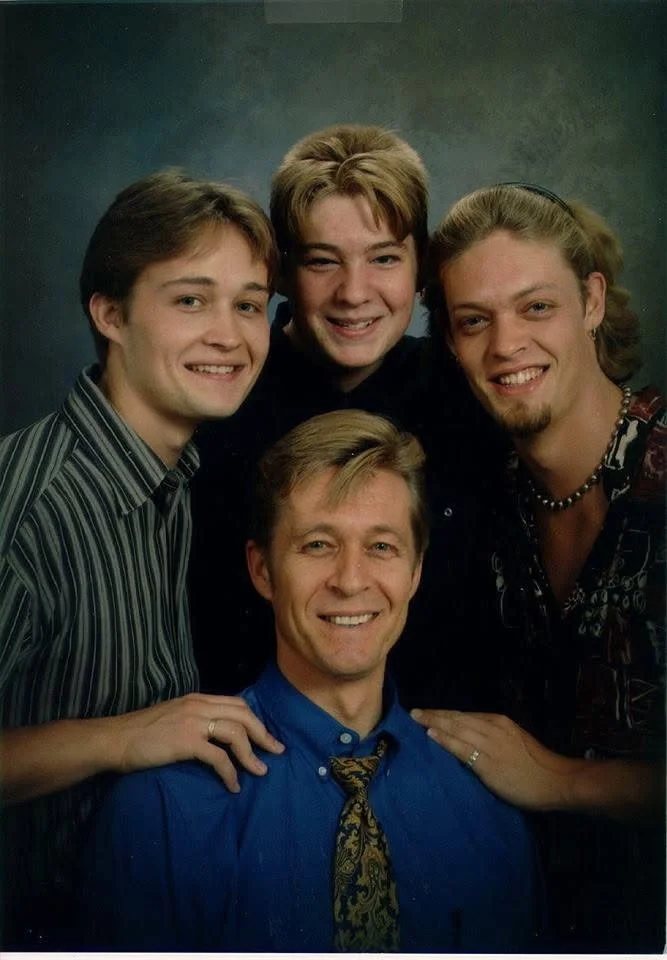
There are many books about family health, family dynamics, and leadership within the home. I want to share practical lessons that helped my wife and me keep our family connected while raising our three boys into healthy, functional adults.
When seeking advice about raising a family, listen carefully to people whose wisdom has been tested in real family life. Practical experience matters, and the fruit of a person’s family leadership can often be seen in how their family relates, communicates, and works together.
At this point, I want to be honest: my youngest son struggled with issues I did not want to believe were real. As a husband and father of three boys, he kept that painful part of his life private. At age 36, he died of a heroin overdose. Looking back, we did the best we could, but once children become adults, they make their own decisions, guided in part by the moral compass we tried to build within them
.
Create Shared Family Rhythms
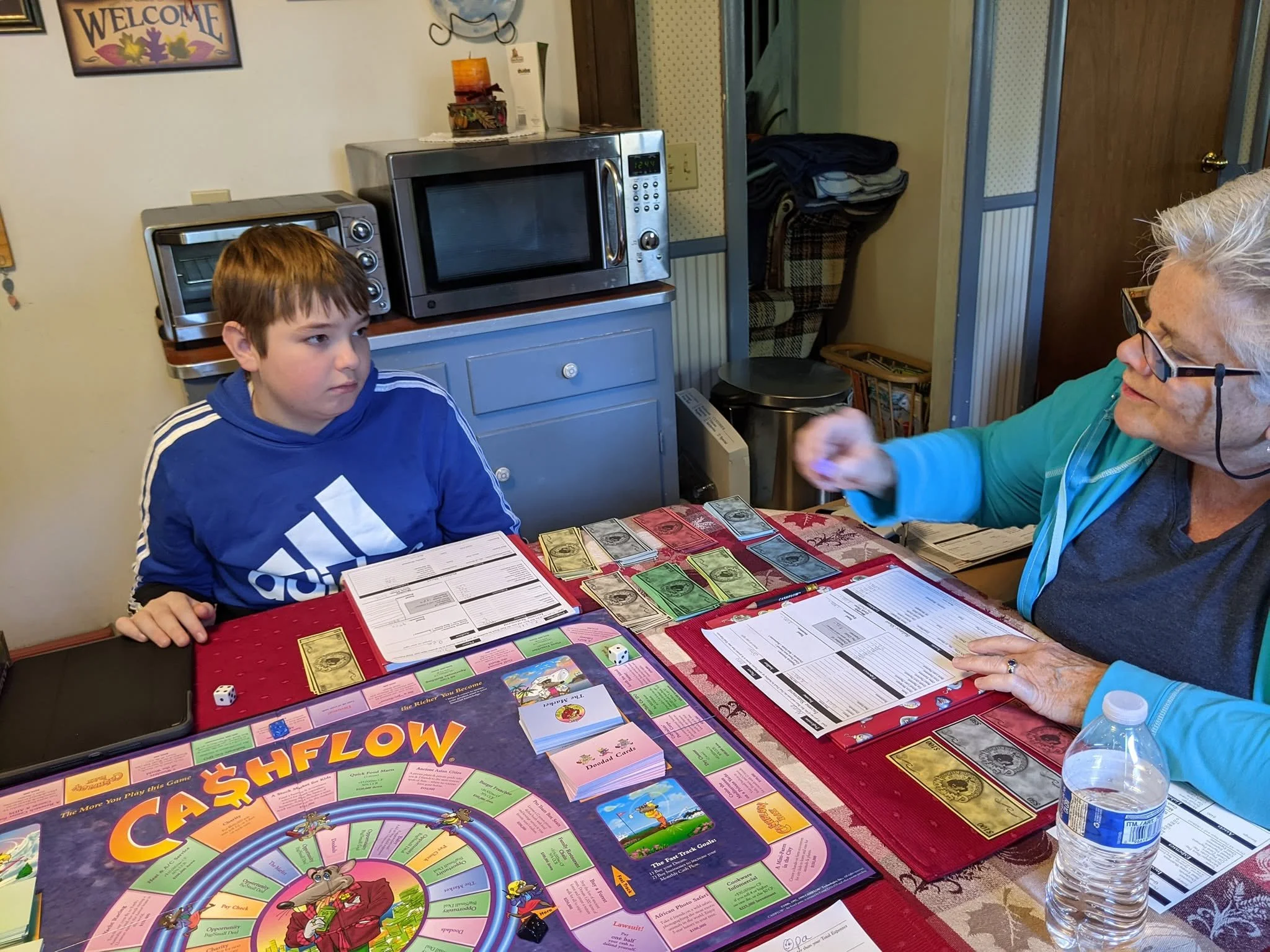
One practice that worked well for us was family night. We chose Friday night, after the workweek, as a special time for the whole family to be together. Because our three boys were each uniquely different, family night became a way to honor each child’s interests.
Each child took a turn choosing what the family would do, and everyone else had to support that choice. At first, the boys sometimes objected because they did not want to do another person’s activity. I reminded them that their turn would come, and if they supported one another, the others would support them too. Over time, family night became a positive way to join our family together while teaching honor, respect, and appreciation for differences.
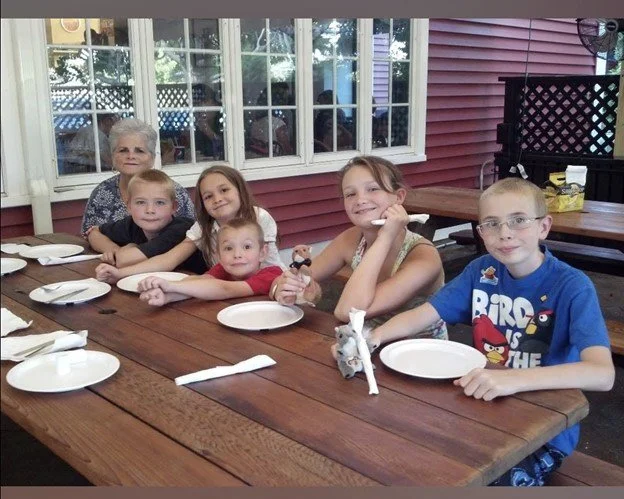
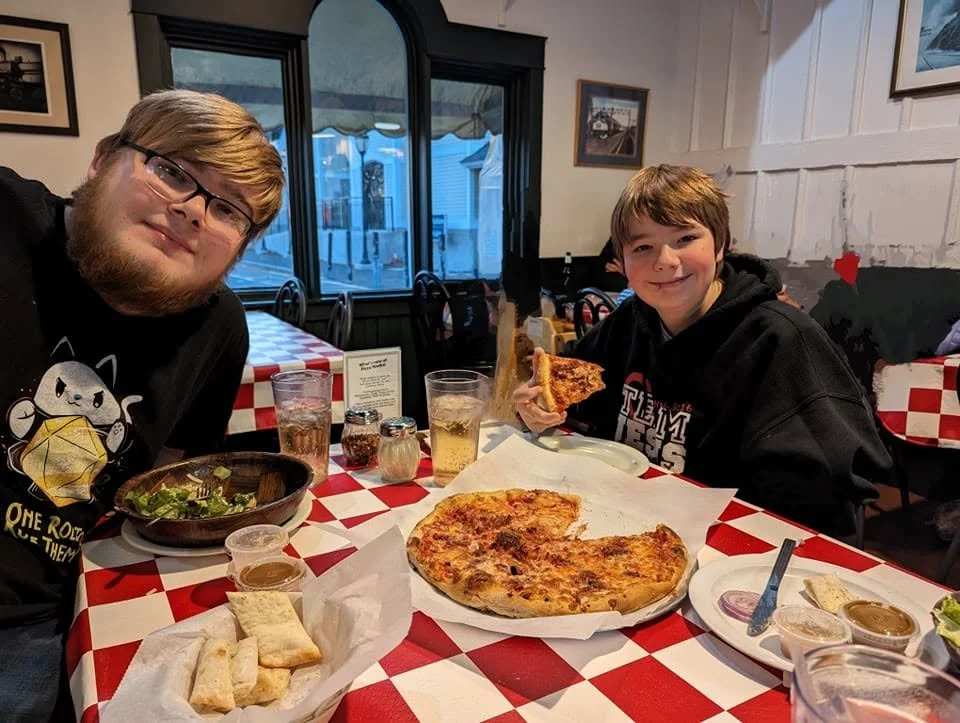

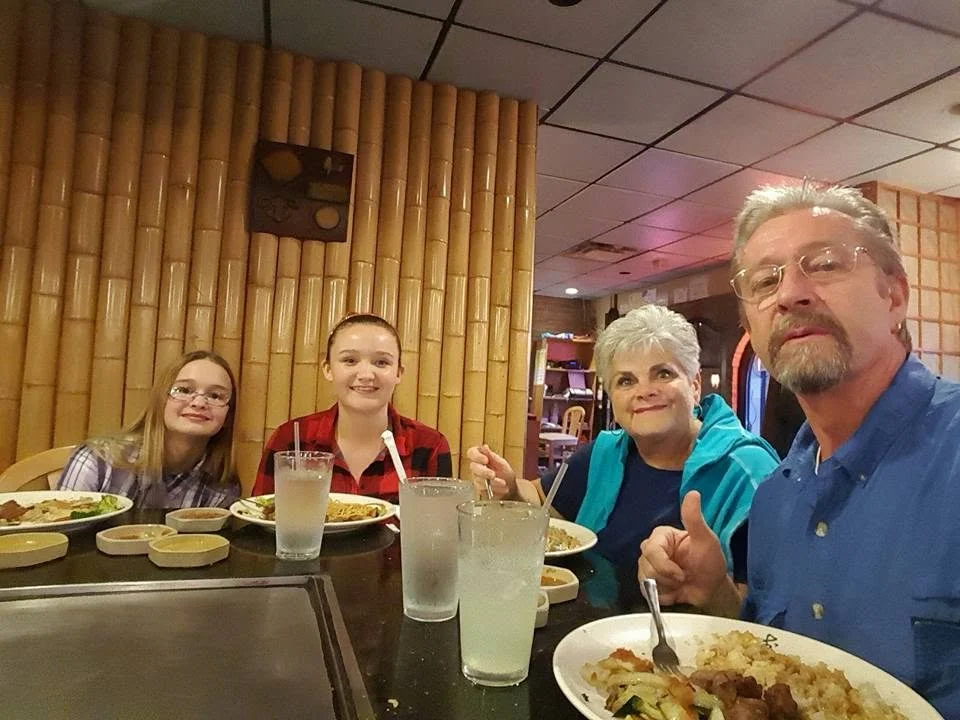

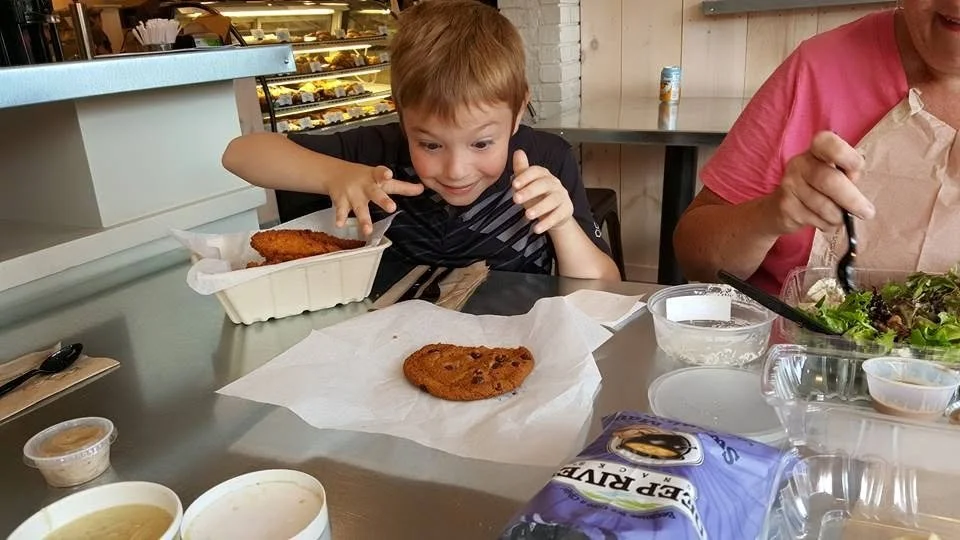
Mealtimes are another important part of family life. Ideally, the whole family should eat together around one table without interruptions from television, phones, video games, or other electronic distractions. Conversation around the table creates family dynamics that cannot easily happen any other way.
Electronic distractions were not as common when our children were young, but they are a much bigger problem today. In many public places and restaurants, I have seen children occupied with electronic toys or video games while the family eats. Those devices can become electronic babysitters when parents are busy, but they also reduce the opportunity for real family conversation.
Honor Each Child’s Uniqueness

One encouraging part of family life is learning about the diversity that each child brings. Parents should take time to understand each child’s strengths, weaknesses, activities, and interests. Then they can look for ways to encourage those interests and help each child develop them in a healthy direction.
We used Myers-Briggs type testing to help us see how different each of our children were. Each child shared the results of his type test while the others listened. That exercise helped us understand that there was real diversity within our own family. Differences were not right or wrong; they were simply differences.
Those differences needed to be respected and honored. Children can sometimes become fixed on their own preferences and have trouble accepting what is different from them. Exercises like this can help a family embrace diversity with honor and respect.

Keep Communication Open

Another important principle is to address problems before they fester and grow into larger issues. Problems that are ignored can breed contempt, anger, hatred, and distance. Families need to encourage open and honest communication, even though this is not always easy.
Children can develop communication tools when they are guided to talk through problems instead of shutting down, withdrawing, or reacting in anger. When two of my boys were fighting, I sometimes acted like a referee. I would ask them to go quietly by themselves, discuss what each one wanted, identify the misunderstanding, and then come back to tell me what they had agreed upon. This helped them listen to each other and work toward an open solution.
It is also good for the family to plan trips, weekend getaways, or annual vacations together. When every family member has some voice in the agenda, they feel included in the family’s plans. That shared input helps strengthen the family dynamic because each person can express where they would like to go and what they would like to do.

Use Family Meetings to Build Respect
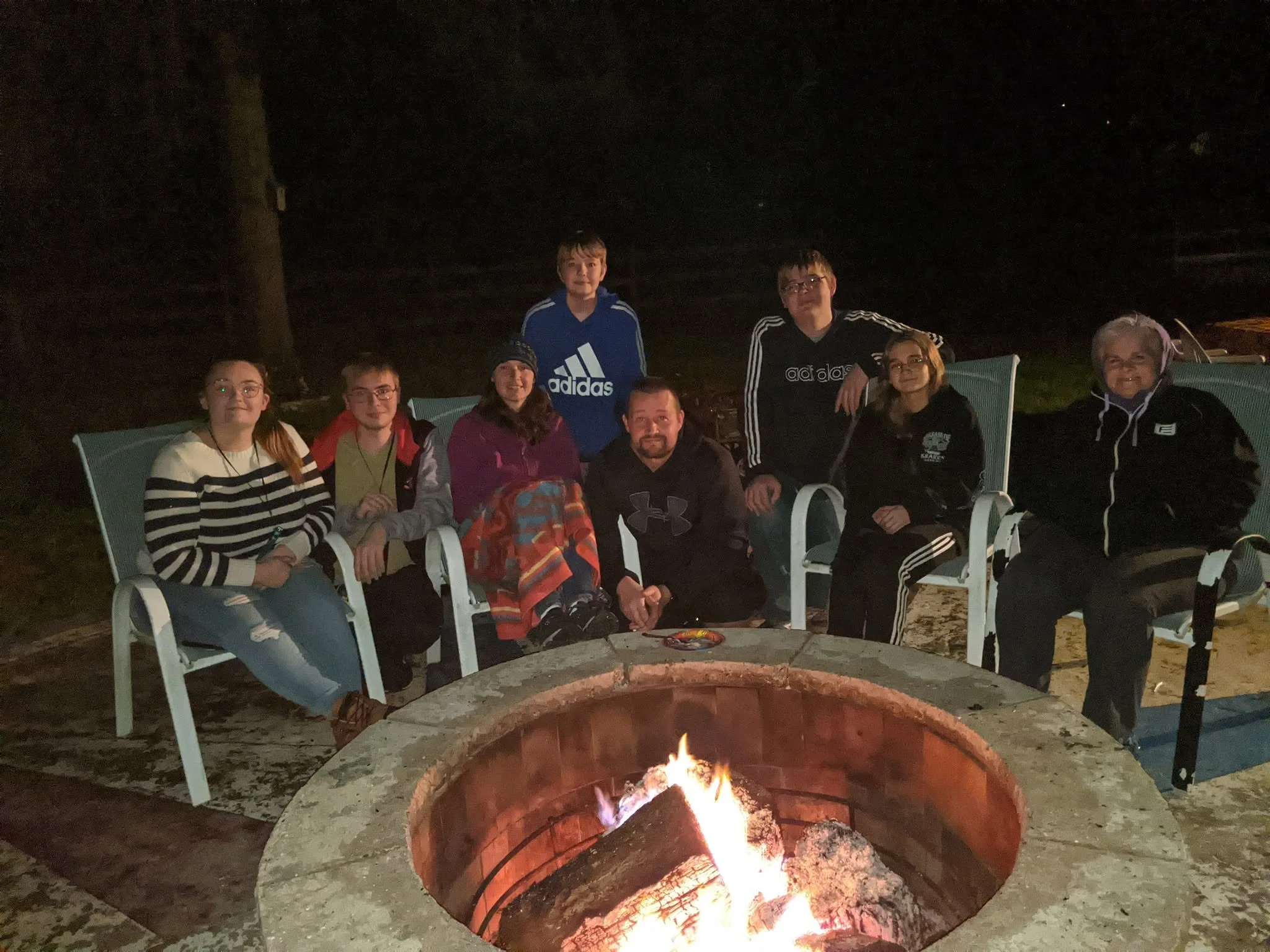

Another positive practice is to hold family meetings. Family meetings set a standard where everyone can speak openly and everyone is willing to listen. No one should be controlled, dominated, or condemned for having a different opinion. Each person’s uniqueness should be honored, respected, and heard at the table.
Parents should also learn the differences between their children and avoid comparing one child with another. If one child excels academically and another struggles, comparison will not help. Each child has unique giftings and encouraging that uniqueness is very healthy.
.
Invite Trusted Support
When children become teenagers, they often look up to other adults as role models or mentors. At times, a parent’s voice may not be the one they are most ready to hear. For that reason, it is valuable to have trusted, high-quality adults in their lives who respect children and can offer input that supports the values of the family over time.
Between the ages of one and five, a child can be introduced to difficult experiences that shape the way he or she sees life. In ministering to men with childhood wounds, I have often heard them identify several areas of early emotional damage. Those wounds can affect a person’s perspective for many years, until healing helps him understand and address those experiences as an adult.
Sometimes an adult may be mature in many areas but still responds from a childish perspective in one wounded area. In those moments, the emotional issue is not simply immaturity; it may be a child’s wound still influencing an adult life.

Lead by Example
One revealing truth is that lecturing a child about right and wrong often has limited effectiveness. In family life, many things are caught more than they are taught. A mature head of household understands that leading by example is far more important than simply lecturing about what is right and wrong. This is a key truth that every head of household should take deeply to heart.


Seek Help When Needed

Consider connecting with a group of trusted adults, a mentor, or a support group for yourself. It is better to be honest about areas where you need help than to suffer in silence or try to do everything alone. Admitting the need for support is not weakness; it is wisdom.
For your child’s life, consider finding a trusted adult who is gifted in an area that interests your child. This could involve a job-shadowing opportunity, skill, a hobby, or another activity that captures your child’s attention. If you can identify a trustworthy person with experience in that area, invite that person to offer positive input into your child’s life.


Protect Children from Adult Burdens
Consider carefully which adult problems and plans you discuss while children are listening. Children do not yet have the maturity or life perspective to understand many adult issues, and exposure to those conversations can create confusion or fear that lingers for a long time. Protect them from burdens they are not ready to carry.
A trained weightlifter who can bench press 400 pounds would never place that same weight on a young child. In the same way, adults should not place emotional weight on children before they are mature enough to handle it.