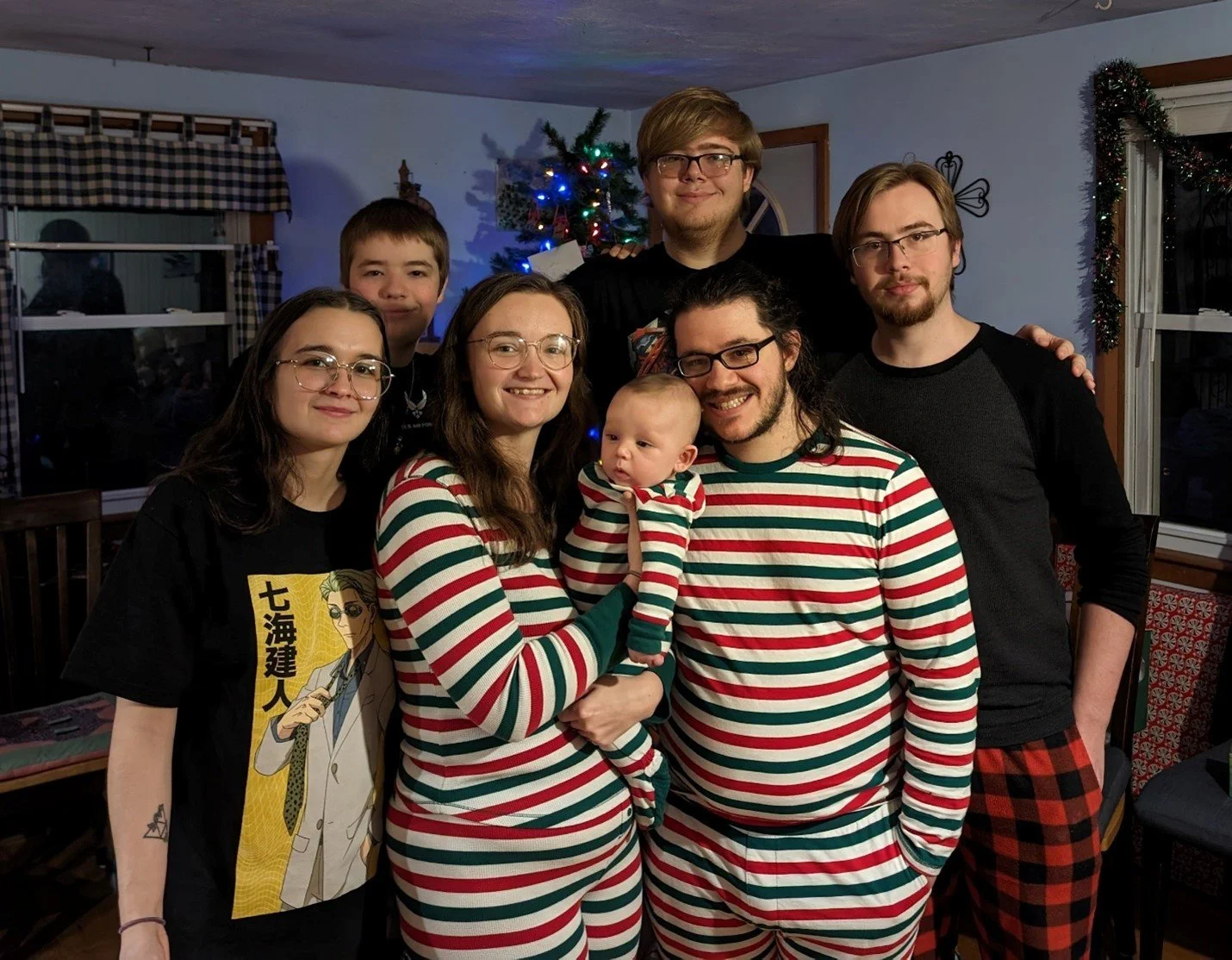
Camp Oma & Opa
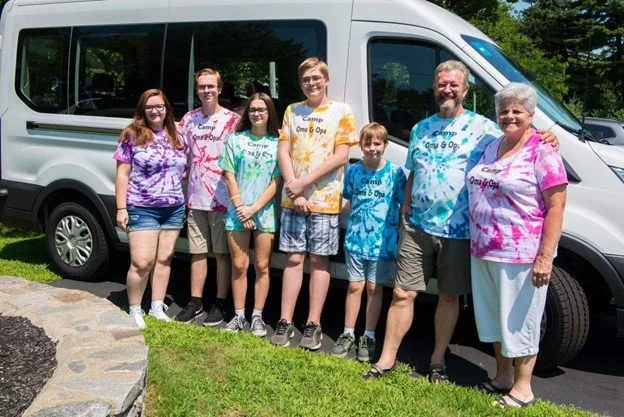
Let the games begin!
Becoming grandparents has been a joy that is hard to put into words. It has brought a special blend of honor, love, care, and healthy pride that has gone beyond parenthood. When my second son and daughter-in-law allowed me to be the first person to hold my first grandchild just minutes after birth, I felt a connection with her that remains to this day. For the first two years of her life, we watched her every other weekend, and those early moments helped build a foundation of trust, love, and connection that still matters. Children are deeply impressionable in their early years, and grandparents have a meaningful opportunity to invest in their lives through family heritage, wisdom, and consistent care. Every family dynamic is different, but I encourage you to take what is helpful, apply what fits, and seek support where needed. My wife and I found that many challenges could be resolved by talking privately about what we observed and deciding together how to respond. The importance of grandparents working as a united team cannot be overstated.
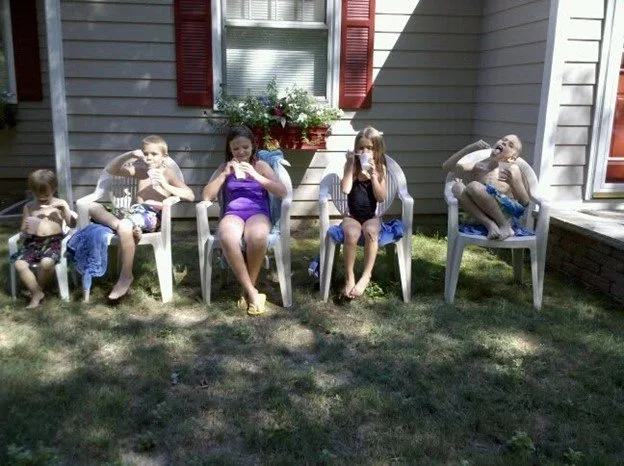
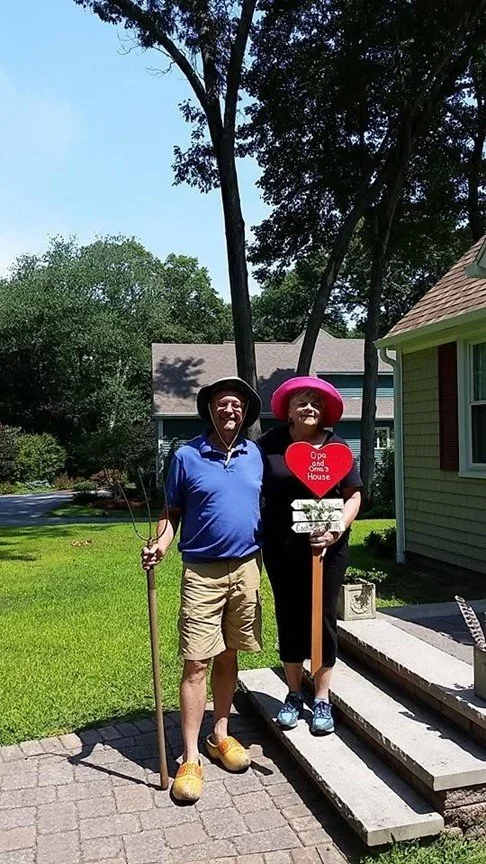
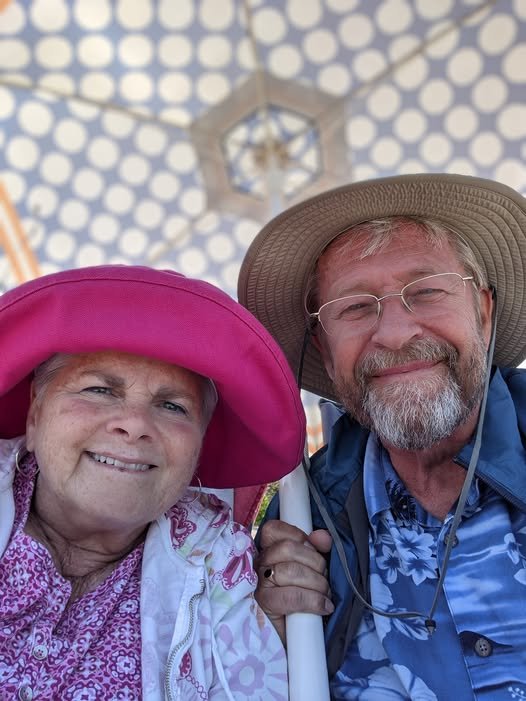
Another meaningful part of grandparenting is choosing what your grandchildren will call you. Your parents named you when you were born, but as grandparents, you get to choose your own names. Since our grandchildren have more than one set of grandparents, we chose Oma and Op, which reflect my Dutch heritage.
When we first started babysitting, my sons sometimes checked in to make sure we were doing all right. Their concern was understandable, but I would simply remind them, with a smile, “We have done this before, remember?” That usually ended the conversation with a chuckle.
With five grandchildren, when they were in their preteen and teenage years, my wife and I found it easiest to rent a nine-passenger van for transportation. It was more enjoyable when everyone had their own seat and we could all travel together.
The Way We Did Things
~
The Way We Did Things
~
The Way We Did Things ~ The Way We Did Things ~
Each year as a team we chose a theme for the week and built our conversations around it. Early on, we added daily devotions, meditation, or focused on a thought based on the needs we saw in the children. One of our most meaningful themes was “Honor and Respect,” which the kids practiced throughout the week. Another was “Generosity and Kindness.” We gave each child money and encouraged them to look for ways to give it away when they noticed a need. Our public activities became opportunities to help them become more aware of others.
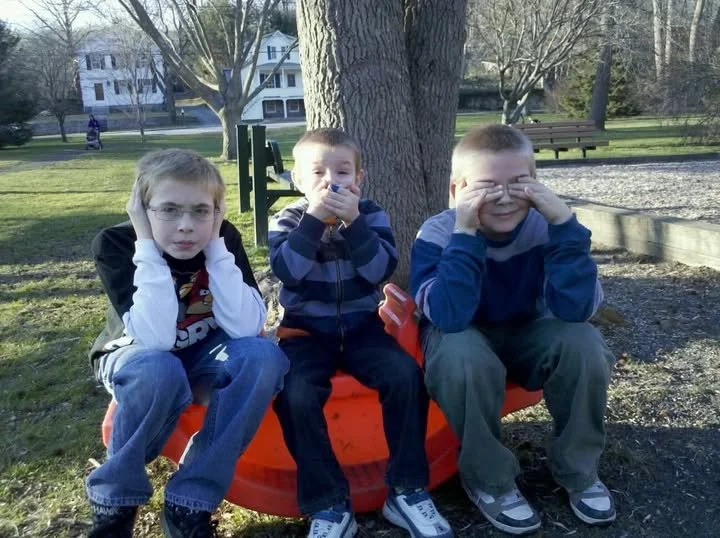
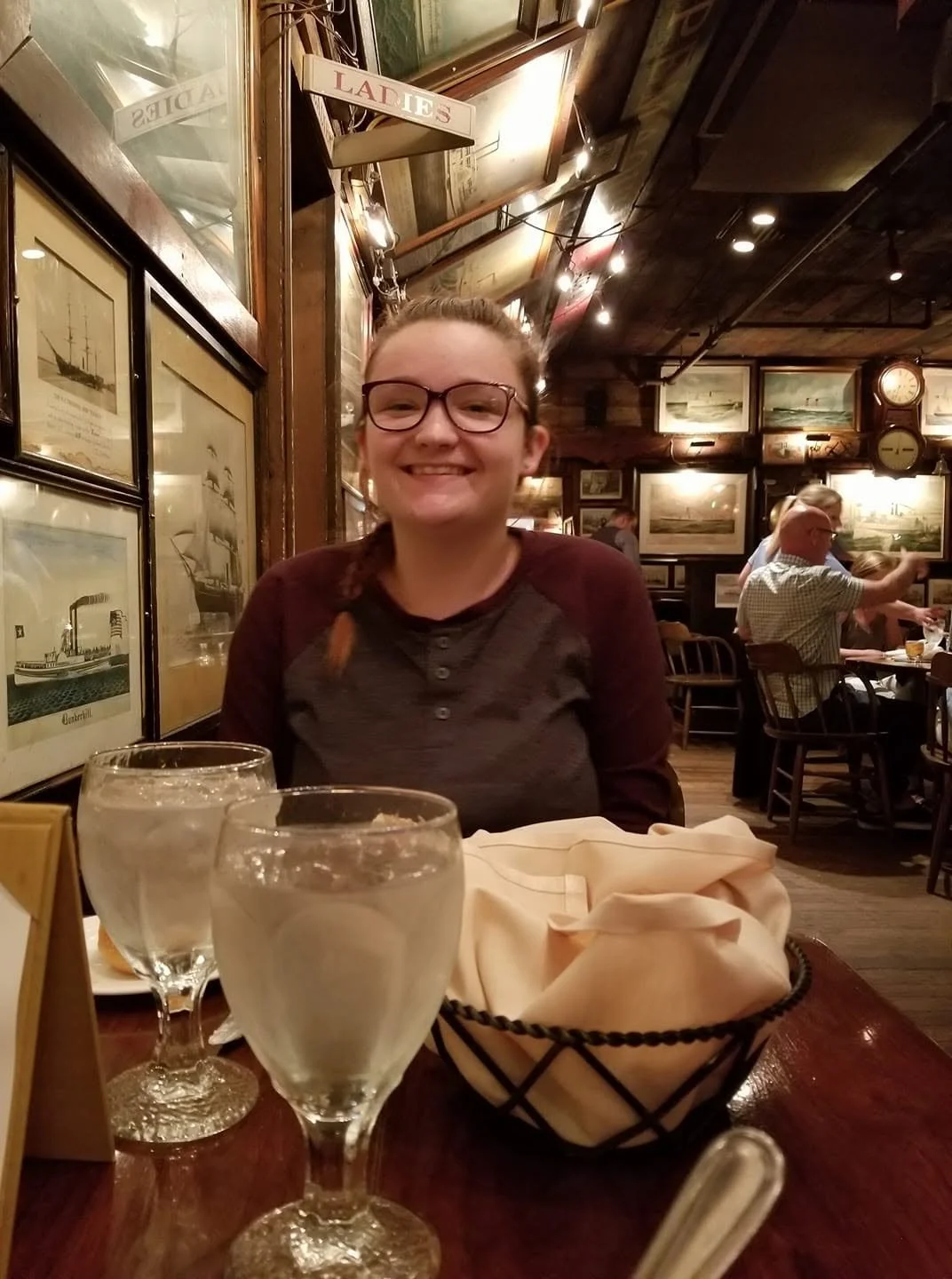
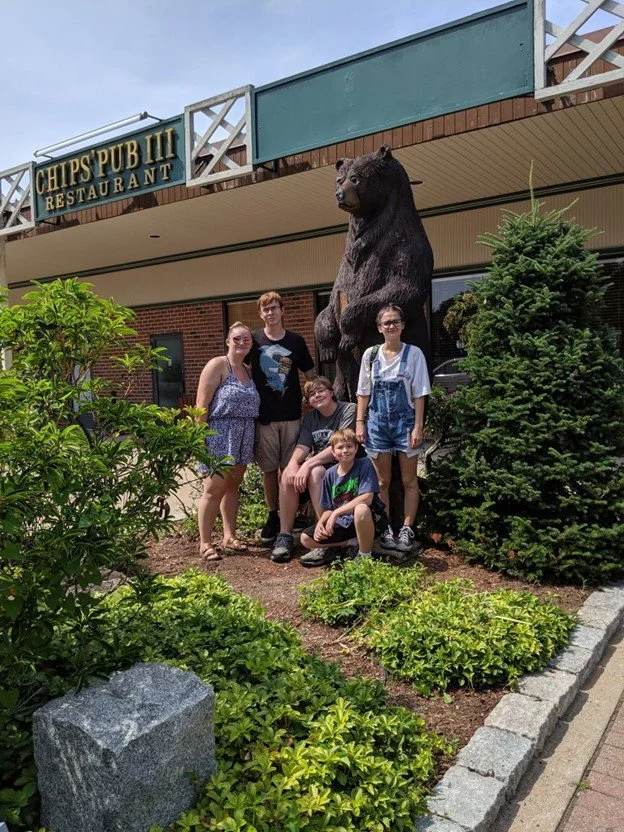
Each summer during camp we tried to take many photos of our grandchildren enjoying activities together. A few of these have been used in my children’s books.
Every year it was important to keep a record of our daily activities for future reference and to reminisce and reflect on the memories we had made together. This was especially helpful if our grandchildren wanted to revisit a favorite activity or a restaurant.
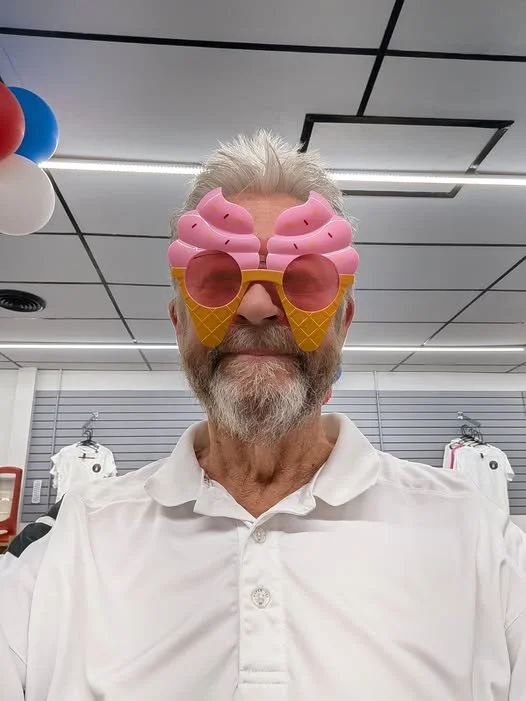
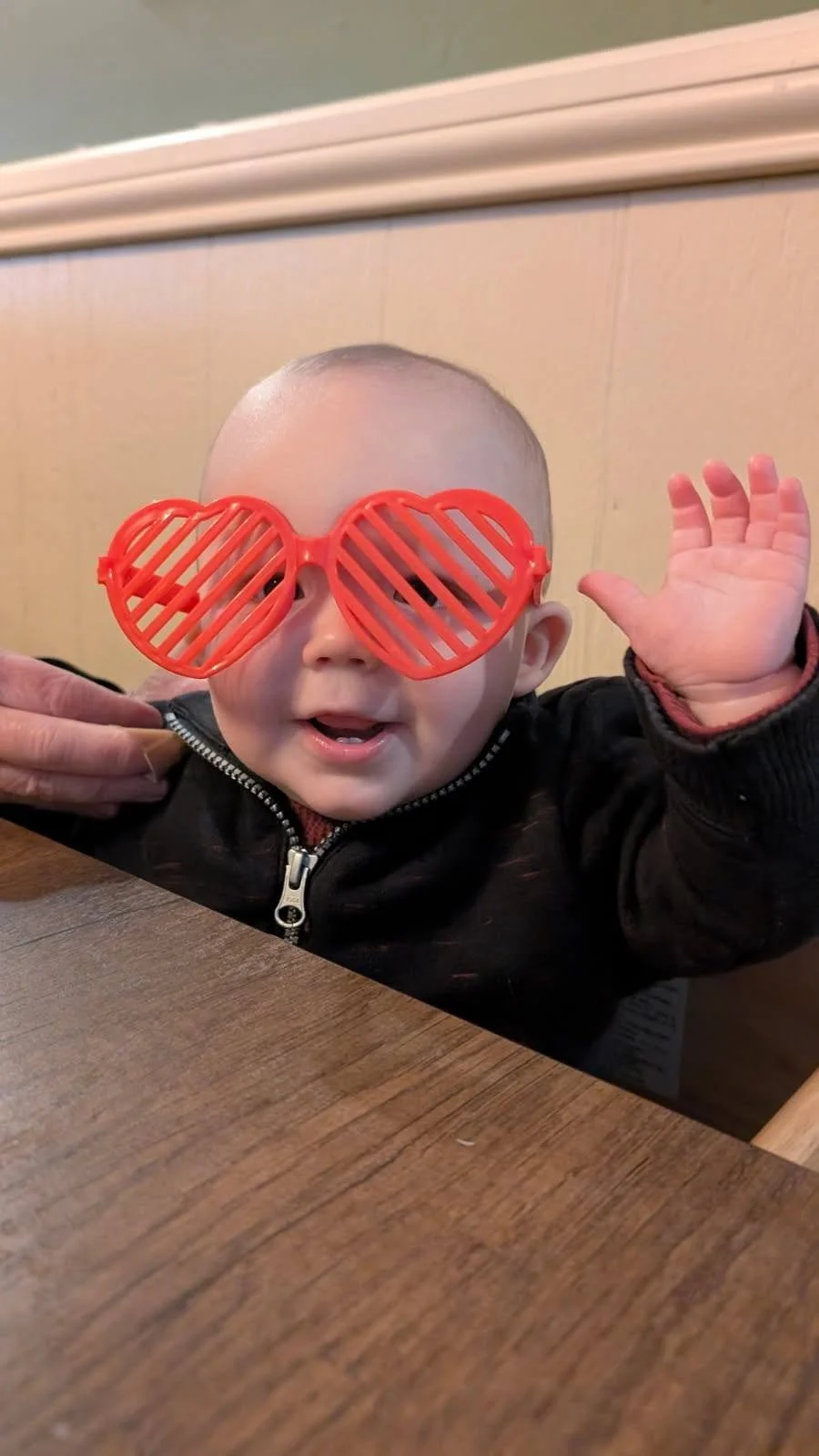
1. Corralling Sheep (age 5/6~10/12)
These age ranges were dependent upon when our grandchildren were able to spend time away from their parents to be with us and their siblings and cousins.
We began by setting aside several days in midsummer for camp. When the grandchildren were younger, camp lasted two to five days, but over time they encouraged us to extend it to a full week. As grandparents, we were the directors and organizers of the activities. More importantly, everything we did taught them something—through our attitude, actions, honor, and respect. It was essential for us as husband and wife to be united, so disagreements did not happen in front of the children. I made mistakes in this area a few times, so I gathered everyone, acknowledged my errors, and asked for forgiveness. That helped model the importance of correcting myself, moving forward, and living with openness and honesty. If their parents did not always practice this with them, it was valuable for our grandchildren to witness us as their grandparents do it. Honesty helped break the tension that disagreements created.
Having raised our own children gave us a valuable perspective for recognizing needs and deciding how best to respond to what we observed. Because my wife and I are quite different, our diversity strengthened our understanding and balanced our approach.
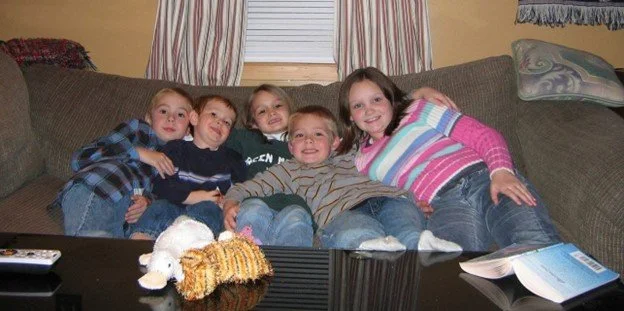
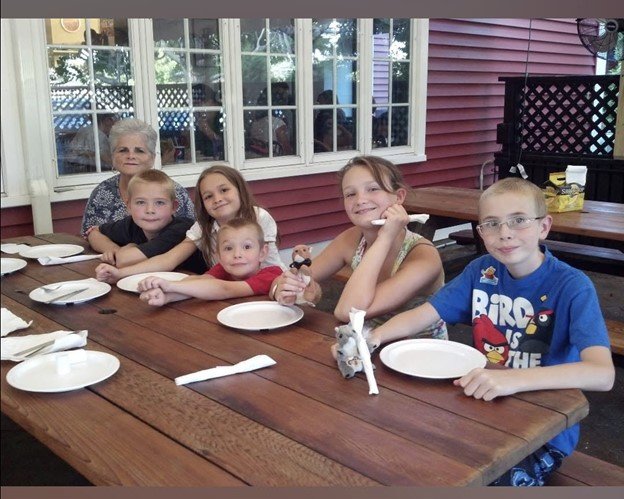
Children enjoy feeling empowered, so we gave them choices whenever possible. We offered options that we were both comfortable with, which allowed them to feel valued while keeping appropriate boundaries. Even something as simple as choosing where to eat gave them a meaningful sense of involvement. We began to teach the children about compromising their own desires with their siblings and cousins and come to an agreement. If needed, we intervened to help them make a unified decision.
Mealtimes became one of the most important parts of camp. They gave us a chance to relax, enjoy ourselves, and let the children eat foods they liked. Just as many business decisions and negotiations happen when dining together. our meals became meaningful moments to review the day, talk about the next day’s plans, and strengthen our bonds. Each experience helped the grandchildren feel our investment in them. Although we lived simply, they came to love Camp Oma and Opa and often describe it to others as the best part of their year.
We made our annual camp a high priority and budgeted generously for it because it mattered so much to us. We were willing to live frugally so we could bless our grandchildren with memorable activities, even when those activities would cost more than their parents might be able to spend.
2. Herding Cats (10/12~16/18)
After my youngest son died in 2015 their week at camp was one of the most important events of the year for his three sons. The three boys are still very close to each other and their two cousins (my middle son’s two girls).
Having witnessed our role as Camp Directors, our grandchildren were now in a position where they could start to assume that role. We had laid the groundwork to have respect and honor for each other and to support our decisions. We would pick the next year's camp director, but the grandchildren would give their final approval. This was usually announced a year ahead.
During that year’s preparation time we worked with the schedule, the sequence of events, where to eat, what to do so they had a lot of time to prepare and think through the process. It was more of keeping them on track rather than requiring our approval. This built into them how to live life intentionally. It was good to stay in close contact with them to discuss their thoughts and feelings and to give gentle coaching with some wisdom and the pitfalls to avoid. Because we had a heavy focus on love, honor and respect the camp director was now the recipient of that, and the other grandchildren would need to fall into alignment.
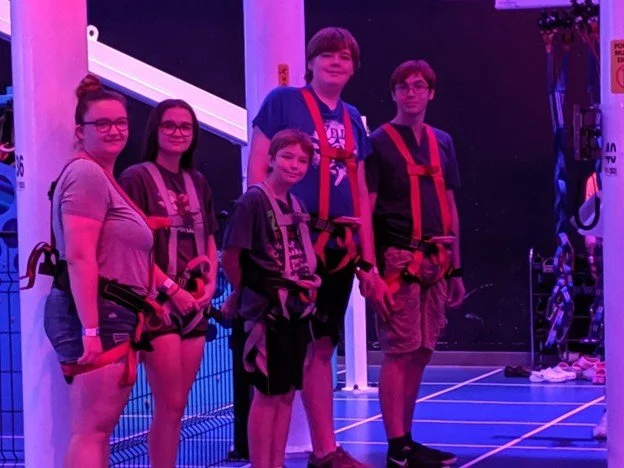
Sometimes we chose a story with a strong moral and discussed it together. I used those moments to help the children think by asking questions that encouraged observation and reflection. As their personalities developed, conflicts naturally arose, and we had to learn how to address them. Drawing on skills I had learned in the business world, including Myers-Briggs concepts, I had each grandchild complete a personality assessment and explain their own results. This became a turning point in their relationships because they began to see that their perspective was not the only one that mattered. It changed the way they managed arguments and tense moments. They learned that they had options. Before camp began, it was important for us grandparents to discuss the focus/theme together so that it could be reinforced when conflicts arose.
Planning meals was balanced between eating breakfast at home and having lunch and dinners at a restaurant. One of the first tasks of camp was to create a shopping list of favorite and nutritious breakfast foods, snacks and drinks to purchase for the first few days. Occasionally as the older grandchildren became more confident in the kitchen, they would plan and prepare a special meal for everyone. Again, our grandchildren would prepare a list of what food was needed along with the input from the others in order that everyone would have something they liked to eat.
It was delightful to watch maturation develop in them every year. The thing that still amazes me is how very different they were and at other times how similar they had become. I guess the expression that the apple doesn’t fall far from the tree applied here.
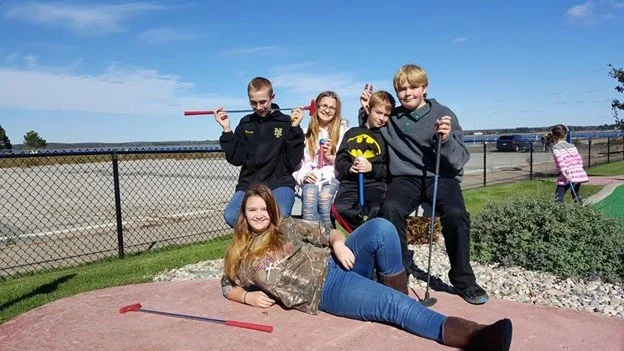
During this time, it’s wise to introduce them to the value of money and the cost of goods. At each meal when the waiter/waitress gave me the receipt I passed it around the table to have my grandchildren check to see if it was correct. Then I would have them calculate the 20-22% tip in their heads. Sometimes I would show them that the service was worth 25% tip. Generosity and honor were a huge part of learning healthy adult attitudes they would need later in life.
As the older grandchildren became teenagers and the directors of camp they became responsible for developing the tentative weekly schedule. After that they requested input from their siblings, cousins and us to finalize their week at camp. This was done with the understanding that last-minute changes might occur due to the weather, the availability of restaurants and activities, and the energy level of the children. As the older ones became more interested and distracted by video games and cell phones, the camp director would initiate rules to encourage everyone’s engagement during group activities and scheduled down time when each child could do whatever they chose.
3. Coaching to Adulthood from Camp Oma and Opa
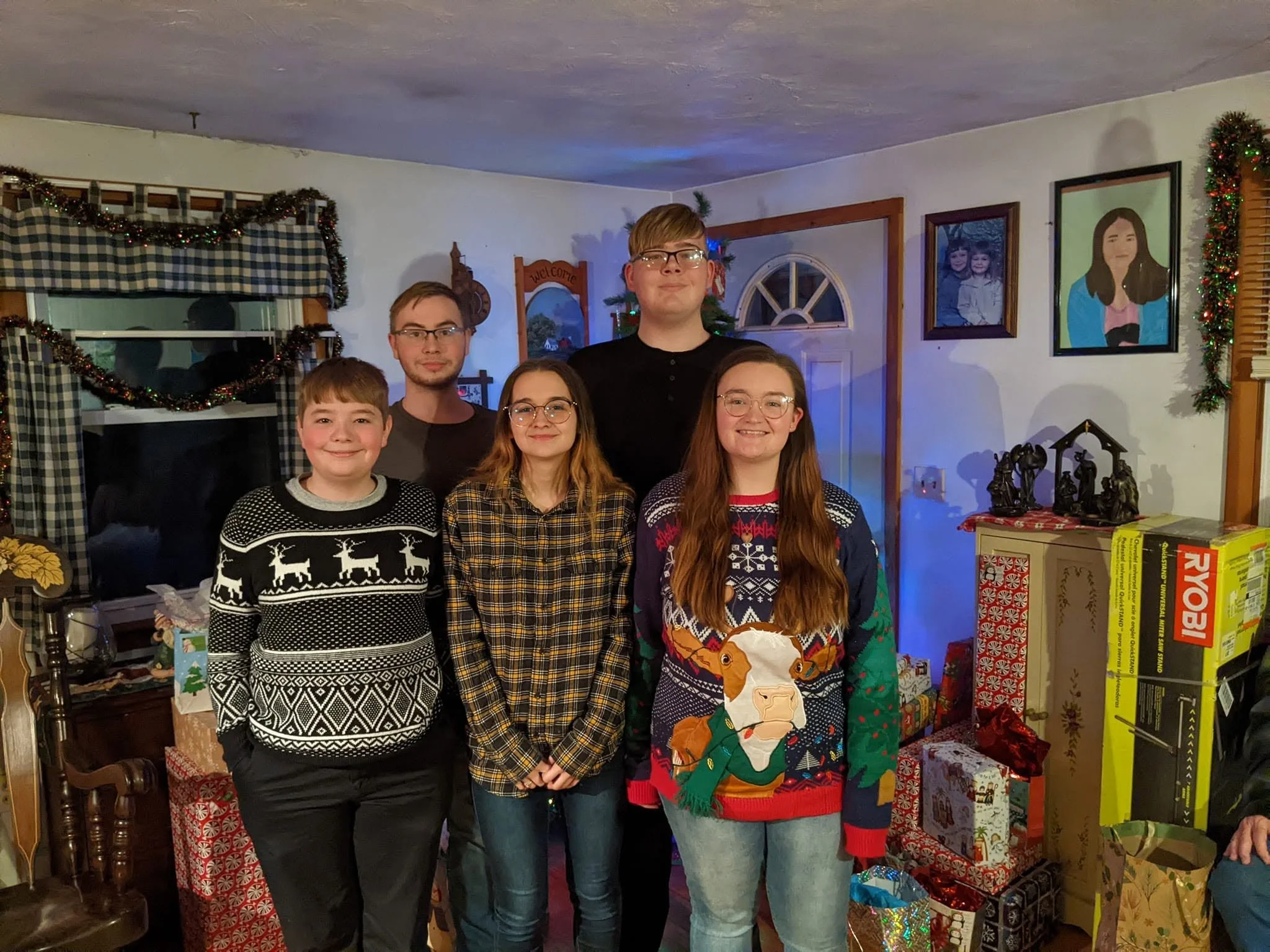
We recognized this stage when our grandchildren began to lose interest in spending time with the whole group. Yet after they graduated from high school, moved out of their parents’ home, bought cars, and started working, the older grandchildren were willing to return to camp, as their schedules would allow, to join their younger siblings and cousins. It was heartwarming for us to see them simply being kids again and still having a lot of fun together.
At this point in our lives as their grandparents, we want to stay connected in more personal ways. One-on-one conversations matter to us, even though their schedules, friendships, and responsibilities make their availability limited. We have found that inviting them out for a meal often gives them a reason to make time, even if their significant other occasionally joins us. Many of the lessons we have shared with them still apply in this stage of adulthood. It is important for us to listen, ask thoughtful questions, and see how they are developing independent thinking. In today’s culture, many young people are influenced by strong messages but are not always taught how to think for themselves. We hope our conversations give them space to share, reflect, and grow. We feel they also give us an opportunity to encourage them, celebrate their gifts, and become their biggest cheerleaders. We want to fan the flame of what God has placed inside each one and watch them mature. It is also important for us not to compare them with one another. Each one of our grandchildren is unique and has a distinct purpose for their life.